

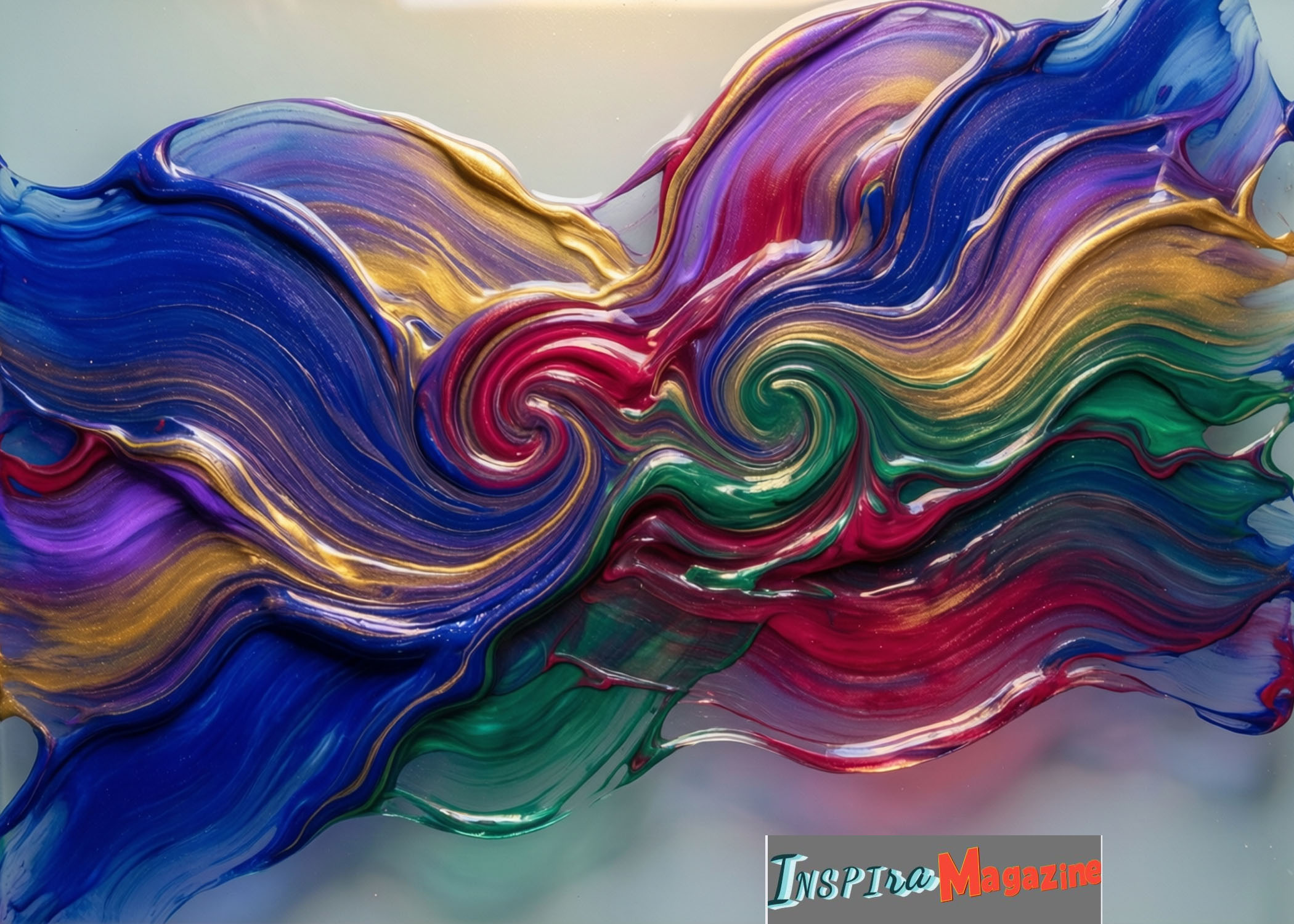
Akrylika is a term that’s been gaining attention across creative, industrial, and decorative fields, yet many people still aren’t fully sure what it means or why it matters. Whether you’ve heard it mentioned in design circles, manufacturing discussions, or DIY communities, akrylika has become a keyword associated with versatility, durability, and modern aesthetics. This guide is designed to break everything down in a clear, friendly way while still offering expert-level depth.
In this long-form article, we’ll explore what akrylika is, where it’s used, why it’s so popular, and how it compares to alternative materials or methods. By the end, you’ll have a solid understanding of the topic and enough insight to decide whether it’s right for your own projects or interests.
What Is Akrylika and Why Is It Important?
Akrylika generally refers to acrylic-based materials, coatings, or finishes that are valued for their clarity, strength, and adaptability. In many contexts, the word is used to describe products derived from acrylic polymers, which are known for being lightweight yet surprisingly strong. These materials are widely used in construction, art, signage, furniture, and even automotive applications.
The importance of akrylika lies in how it bridges the gap between function and aesthetics. It offers a clean, modern look while also standing up to wear, weather, and time. That combination is why designers, engineers, and everyday users increasingly rely on it. From transparent panels to glossy finishes, akrylika has become a go-to solution in both professional and personal projects.
The History and Evolution of Akrylika
The roots of akrylika trace back to the development of acrylic polymers in the early 20th century. Scientists were searching for alternatives to glass that could be lighter, safer, and easier to shape. The result was acrylic, a material that quickly proved its worth in everything from aircraft windows to household items.
Over time, akrylika evolved beyond simple plastic sheets. Advances in chemistry and manufacturing allowed for coatings, paints, and composite materials that improved flexibility and performance. Today, akrylika represents not just a material, but an entire category of solutions designed to meet modern demands for durability and visual appeal.
Common Uses of Akrylika in Everyday Life
One of the reasons akrylika is so widely discussed is because it appears in more places than most people realize. In homes, it’s often used for furniture surfaces, decorative panels, and protective coatings. In offices and commercial spaces, akrylika shows up in signage, partitions, and display units.
Outside of interior spaces, akrylika is also common in outdoor applications. Because it resists UV rays and moisture, it’s frequently used for exterior signs, protective barriers, and architectural elements. Artists and hobbyists also appreciate akrylika-based paints and mediums for their vibrant colors and long-lasting finish.
People Read Also : Blog Jet Liên Quân: The Ultimate Guide to Mastering Jet in Arena of Valor
Benefits That Make Akrylika Stand Out
One major advantage of akrylika is its durability. Compared to traditional glass or some plastics, acrylic-based materials are less likely to shatter and more resistant to impact. This makes them safer and more reliable in high-traffic or high-risk environments.
Another key benefit is versatility. Akrylika can be molded, cut, polished, or colored to suit almost any design requirement. Whether you want something transparent, frosted, or boldly colored, this material adapts easily. That flexibility is a big reason it’s favored in both creative and technical industries.
“Akrylika combines the clarity of glass with the resilience of modern polymers, making it one of the most adaptable materials of our time.”
Akrylika vs Other Materials
When comparing akrylika to alternatives like glass, polycarbonate, or PVC, the differences become clear quickly. Glass offers excellent clarity but is heavy and fragile. Polycarbonate is strong but often more expensive and less scratch-resistant. PVC is affordable but lacks the premium look many projects require.
Akrylika sits comfortably in the middle, offering a balance of aesthetics, strength, and cost. It’s not always the cheapest option, but its longevity and low maintenance often make it more economical over time. This balance is why it continues to replace older materials in many applications.
Environmental Impact and Sustainability
Sustainability is an increasingly important factor in material selection, and akrylika has both strengths and challenges in this area. Acrylic materials are long-lasting, which means they don’t need to be replaced as often. That durability can reduce waste over the lifespan of a product.
However, recycling acrylic materials can be more complex than recycling glass or metals. The industry is responding with improved recycling processes and more eco-friendly formulations. As technology advances, akrylika is gradually becoming a more sustainable option for environmentally conscious users.
Maintenance and Care Tips
Maintaining akrylika products is generally straightforward. Most surfaces can be cleaned with mild soap and water, avoiding harsh chemicals that could cause clouding or scratches. Using soft cloths rather than abrasive materials helps preserve the finish.
Proper care not only keeps akrylika looking good but also extends its lifespan. Regular cleaning prevents buildup that could dull the surface over time. With minimal effort, acrylic-based products can maintain their original appearance for years.
Cost Considerations and Value
The cost of akrylika varies depending on quality, thickness, and intended use. While it may have a higher upfront price than some plastics, its durability and low maintenance often justify the investment. For businesses, this can translate into lower replacement and repair costs.
For individuals and DIY enthusiasts, akrylika offers excellent value because it’s easy to work with and widely available. Many suppliers offer custom sizes and finishes, making it accessible for both small and large projects.
Table: Key Characteristics of Akrylika
| Feature | Description |
|---|---|
| Durability | Resistant to impact and weather |
| Appearance | Clear, glossy, or customizable finishes |
| Weight | Lighter than glass |
| Maintenance | Easy to clean and maintain |
| Applications | Construction, art, signage, furniture |
Related Keywords and Concepts
When researching akrylika, you’ll often encounter related terms such as acrylic sheets, acrylic coating, polymer materials, transparent panels, and synthetic resin. These keywords are closely connected and help provide a fuller picture of how acrylic-based solutions fit into modern design and manufacturing.
Understanding these related concepts can improve your decision-making process and help you communicate more effectively with suppliers or professionals. They also play a role in improving search visibility for content focused on akrylika.
Practical Tips for Choosing Akrylika Products
Selecting the right akrylika product starts with understanding your needs. Consider where it will be used, how much wear it will experience, and what appearance you want. Indoor decorative uses may prioritize clarity and finish, while outdoor applications require UV resistance and thickness.
It’s also wise to compare suppliers and ask about warranties or certifications. High-quality akrylika products often come with guarantees that reflect confidence in their performance. Taking the time to research can save money and frustration later.
Conclusion
Akrylika has earned its reputation as a modern, versatile, and reliable material across countless industries. Its balance of durability, aesthetics, and adaptability makes it suitable for everything from creative projects to large-scale architectural applications. While it’s not without environmental challenges, ongoing innovation continues to improve its sustainability and performance.
Whether you’re a professional designer, a business owner, or a curious beginner, understanding akrylika gives you a valuable edge. With proper selection and care, it can deliver long-lasting results that look great and perform even better.
FAQ Section
What exactly does akrylika mean?
Akrylika refers to acrylic-based materials or products made from acrylic polymers. These materials are valued for clarity, durability, and versatility in many applications.
Is akrylika better than glass?
In many cases, akrylika is preferred over glass because it’s lighter, more impact-resistant, and safer. While glass offers excellent clarity, acrylic-based options often provide a better balance of strength and usability.
Can akrylika be used outdoors?
Yes, akrylika is commonly used outdoors because it resists UV rays and moisture. High-quality products are designed to maintain appearance and strength even in harsh weather conditions.
How long does akrylika last?
With proper care, akrylika products can last for many years. Their resistance to impact and weather helps extend lifespan compared to some traditional materials.
Is akrylika environmentally friendly?
Akrylika has both pros and cons environmentally. Its durability reduces frequent replacement, but recycling can be challenging. Ongoing innovations are improving its sustainability profile
