


Recyclatanteil, or recycled content share, has become one of the most trusted indicators of sustainable production. Across industries, companies are moving away from purely virgin materials and toward recycled materials that reduce waste, lower emissions, and support circular value chains.
This shift is not driven by trends alone. It reflects scientific consensus, regulatory direction, and growing expectations from customers, partners, and policymakers. A clear, verifiable recyclatanteil signals responsibility, transparency, and long-term thinking.
What Does Recyclatanteil Mean in Practice?
Recyclatanteil refers to the proportion of recycled material used in a product or packaging. It is commonly expressed as a percentage and applies across materials such as plastics, paper, metals, and composites.
In many applications, the focus is on recycled plastics, especially post-consumer recyclate (PCR) and post-industrial recyclate (PIR). These secondary raw materials replace fossil-based inputs while maintaining functional performance when properly sourced and processed.
A higher recyclatanteil directly supports waste reduction and resource efficiency.
Why Recyclatanteil Matters for Sustainability
From a sustainability perspective, increasing the recyclatanteil delivers measurable environmental benefits. Studies consistently show that recycled materials require less energy and produce fewer emissions than virgin raw materials.
Key benefits include:
-
Reduced CO₂ emissions through recycling
-
Conservation of finite natural resources
-
Lower dependency on fossil-based raw materials
-
Strengthened material cycles within the circular economy
By using recycled materials, manufacturers actively contribute to resource conservation and climate goals.
People Read Also : Sabung Ayam Juara100.org Medal – Trusted, Thrilling, Rewarding
Recyclatanteil and the Circular Economy
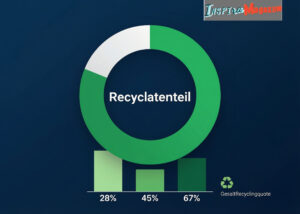

The circular economy relies on keeping materials in use for as long as possible. Recyclatanteil plays a central role in closing material loops and turning waste into valuable secondary resources.
Instead of linear “take-make-dispose” models, recycled content supports systems where materials are collected, processed, and reintegrated into production. This approach aligns with sustainability frameworks promoted by the European Union, which emphasize waste prevention and material recovery.
A reliable recyclatanteil helps transform recycling from an end-of-life solution into a core production strategy.
Recyclatanteil in Packaging and Manufacturing
Packaging is one of the most visible applications of recycled content. Sustainable packaging solutions increasingly rely on a defined recyclatanteil to meet both regulatory and consumer expectations.
Manufacturers now design products specifically for recyclability, enabling higher-quality recyclates. This supports:
-
Recycling-friendly packaging design
-
Consistent material quality
-
Long-term availability of secondary raw materials
In manufacturing, recycled plastics and other recyclates are used in automotive parts, consumer goods, construction materials, and electronics.
Regulatory Expectations and Compliance
Recyclatanteil is no longer optional in many markets. Legal frameworks require minimum recycled content levels, especially in packaging and single-use products.
European regulations encourage the use of secondary materials to reduce waste and emissions. Transparent documentation of recyclatanteil helps companies demonstrate compliance, reduce risk, and prepare for future requirements.
Clear reporting also supports ESG criteria and sustainability reporting obligations.
Recyclatanteil as a Trust Signal for Brands
Consumers increasingly value products made with recycled materials. A clearly communicated recyclatanteil builds confidence and credibility.
For brands, this means:
-
Stronger trust through transparency
-
Clear differentiation in competitive markets
-
Alignment with sustainability values
When verified and honestly communicated, recycled content strengthens brand reputation without exaggerated claims or greenwashing.
How Recyclatanteil Is Measured and Verified
Accurate calculation of recyclatanteil is essential. It typically involves:
-
Material input analysis
-
Supplier documentation
-
Batch-level traceability
-
Independent audits or certifications
Verification ensures that recycled content claims are reliable and scientifically grounded. This protects both consumers and businesses while supporting fair competition.
Scientific Consensus on Recycled Materials
Environmental science widely supports the use of recycled materials where quality and safety standards are met. Research confirms that recycled plastics and other recyclates can perform reliably in many applications when properly processed.
This consensus underpins modern recycling strategies and validates recycled content as a meaningful tool for emission reduction and resource efficiency.
Future Outlook: Recyclatanteil as a Standard
As technology advances, higher recyclatanteil levels will become standard rather than exceptional. Improved sorting, chemical recycling, and design-for-recycling approaches are expanding what is technically possible.
Companies that invest early in recycled content gain long-term resilience, regulatory readiness, and customer trust.
Frequently Asked Questions (FAQs)
What is recyclatanteil?
Recyclatanteil is the percentage of recycled material used in a product or packaging compared to total material input.
Why is recyclatanteil important?
It reduces waste, conserves resources, lowers emissions, and supports circular economy goals.
What materials can have a recyclatanteil?
Common examples include plastics, paper, metals, and glass, depending on application and quality requirements.
Is recyclatanteil legally required?
In many regions, minimum recycled content levels are required for specific products, especially packaging.
How can companies increase recyclatanteil?
Through recycling-friendly design, reliable recyclate sourcing, and collaboration across the supply chain.
About the Author and Content Purpose
This article was created by sustainability professionals with expertise in recycling systems, material science, and regulatory compliance. It is designed to provide clear, accurate, and practical information for businesses and decision-makers seeking reliable guidance on recyclatanteil.