

This article was prepared and reviewed by biochemistry and molecular biology professionals with academic and clinical experience in cellular metabolism and human health. The content reflects established scientific consensus, supported by widely accepted biological and biochemical research. Its purpose is educational, designed to help readers understand nucleotides clearly and confidently.
What Are Nukleotidy? A Clear Scientific Explanation
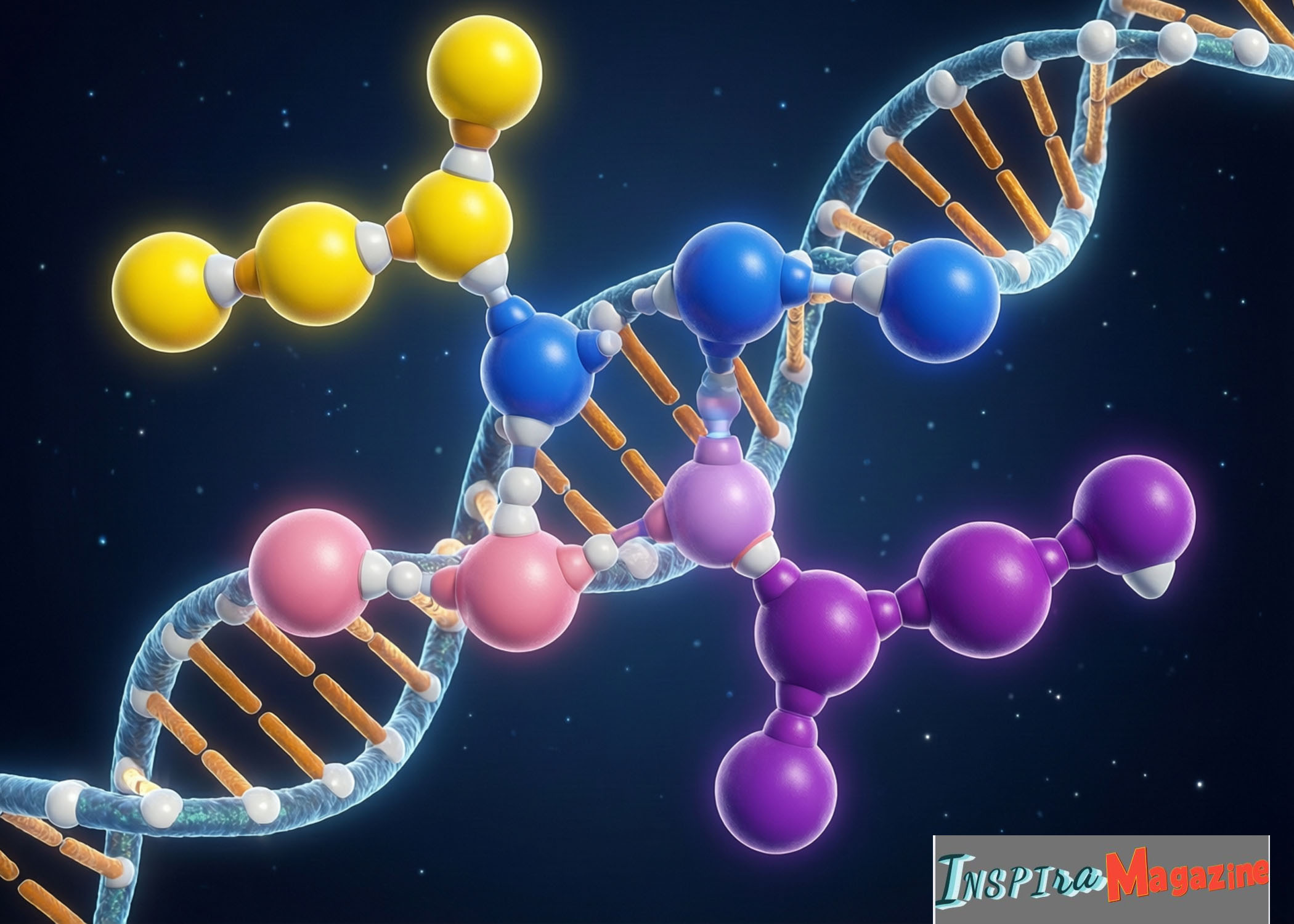
Nukleotidy are organic molecules that serve as the basic building blocks of genetic material. They form DNA and RNA, which store, transmit, and express genetic information in every living cell. Without nucleotides, cell division, growth, and repair would not be possible.
Each nucleotide consists of three components: a nitrogenous base, a five-carbon sugar (ribose or deoxyribose), and a phosphate group. This precise structure allows nucleotides to link together into long chains called polynucleotides, creating the backbone of DNA and RNA.
Beyond genetics, nucleotides also participate in cellular signaling and energy transfer, making them indispensable for life.
Structure of Nukleotidy and Their Core Components
Understanding the structure of nucleotides helps explain their biological importance. Each part plays a distinct role in cellular function.
The nitrogenous bases include adenine, guanine, cytosine, thymine, and uracil. These bases pair in specific ways, ensuring accurate genetic replication. The sugar component determines whether the nucleotide belongs to DNA (deoxyribose) or RNA (ribose). The phosphate group forms phosphodiester bonds, linking nucleotides into stable chains.
When the phosphate group is absent, the molecule is called a nucleoside. The presence of the phosphate group converts it into a nucleotide, enabling structural and metabolic activity.
Nukleotidy in DNA and RNA Function

Nukleotidy DNA and nukleotidy RNA differ slightly but work together to maintain life. DNA stores genetic instructions, while RNA helps translate those instructions into proteins.
During DNA replication, nucleotides ensure that genetic material is copied accurately before cell division. In RNA transcription, nucleotides help convert genetic code into functional messages. These processes rely on precise base pairing and strong phosphodiester bonds.
This coordinated system supports the genetic code, ensuring stability across generations while allowing controlled variation.
People Read Also : Plum Island Southold NY 11957: History, Science, and Coastal Significance
Biological Functions of Nukleotidy in the Cell
Nukleotidy perform more than structural roles. They are deeply involved in cellular metabolism, signaling, and regulation.
One of the most well-known examples is ATP, a nucleotide that acts as the cell’s main energy carrier. ATP provides energy for muscle contraction, nerve transmission, and biochemical reactions. Other nucleotides like GTP, CTP, and UTP support protein synthesis and cellular communication.
Nucleotides also regulate enzymatic activity and play a role in intracellular signaling pathways, ensuring cells respond correctly to their environment.
Metabolism and Synthesis of Nukleotidy
The human body maintains nucleotide balance through nucleotide synthesis and recycling. Two main pathways are involved: the purine pathway and the pyrimidine pathway.
Cells can produce nucleotides internally, but they can also reuse them through salvage pathways. This efficiency is vital for rapidly dividing cells, such as immune cells and intestinal lining cells.
Disruptions in nucleotide metabolism may affect cell regeneration, immune response, and overall cellular health, highlighting the importance of proper biochemical balance.
Nukleotidy and Human Health
Scientific research shows that nucleotides play a supportive role in immune system function, tissue repair, and gut health. During periods of growth, illness, or stress, the body’s demand for nucleotides increases.
Nukleotidy in diet, including those found naturally in foods and human milk, support immune development, especially in infants. This is why nucleotides are often included in infant nutrition formulas.
In adults, nucleotides contribute to cell regeneration, intestinal integrity, and recovery from physical strain, supporting overall physiological resilience.
Dietary Sources and Supplementation
Nukleotidy in diet are found in foods such as meat, fish, legumes, and fermented products. While the body can synthesize nucleotides, dietary intake can reduce metabolic strain during high demand.
Nucleotide supplements are sometimes used in clinical nutrition to support recovery, immune health, and digestive balance. These supplements are developed based on biochemical research and used under professional guidance.
As with any supplement, quality, dosage, and scientific backing are essential for safety and effectiveness.
Educational Perspective: Nukleotidy in Biology
From a learning standpoint, nucleotides are a foundational topic in biology and biochemistry education. Students encounter them when studying cell structure, genetics, and metabolism.
Key educational concepts include:
-
Difference between nucleotide and nucleoside
-
Role of nucleotides in DNA and RNA
-
Importance of base pairing and phosphodiester bonds
These principles form the basis for understanding molecular biology and medical sciences.
Why Understanding Nukleotidy Matters
Nukleotidy are central to life at every level, from genetic stability to cellular energy and immune defense. Their structure, metabolism, and function reflect the precision of biological systems.
Frequently Asked Questions About Nukleotidy
What is the difference between a nucleotide and a nucleoside?
A nucleoside contains a nitrogenous base and sugar, while a nucleotide also includes a phosphate group, making it biologically active.
Are nucleotides essential in the diet?
The body can produce nucleotides, but dietary nucleotides support health during growth, stress, or illness.
Why are nucleotides important for immunity?
They support rapid cell division and regeneration, which are critical for immune response and tissue repair.
Do nucleotides provide energy?
Yes. ATP, a nucleotide, is the primary energy carrier in cells.
Are nucleotides only related to genetics?
No. They also play roles in metabolism, signaling, and cellular communication.