

Koriandri, commonly known as coriander or cilantro, is one of the most valued herbs in daily cooking and traditional wellness practices. From home kitchens to professional food spaces, fresh koriandri leaves bring aroma, freshness, and balance to countless dishes. Beyond taste, koriandri has earned respect for its nutritional value and long-recognized health benefits.
This article is written by food and nutrition professionals with experience in culinary herbs, plant-based nutrition, and traditional dietary practices. The goal is simple: to provide accurate, helpful, and practical information you can trust and use with confidence.
What Is Koriandri and Why It Matters
Koriandri refers to the fresh green leaves of the coriander plant. In many regions, it is also called dhania or coriander leaves. While the leaves and seeds come from the same plant, their uses and flavors are very different.
Fresh koriandri has a bright, citrus-like taste that lifts food naturally. It plays a key role in Indian recipes, Asian dishes, Middle Eastern cooking, and global cuisines. Its ability to enhance flavor without heavy seasoning makes koriandri a preferred herb for balanced meals.
Koriandri Leaves in Everyday Cooking
Koriandri leaves are widely used as a garnish, flavor base, and fresh herb ingredient. They blend easily into both simple and complex dishes.
Common culinary uses include:
-
Koriandri garnish for curries, soups, and rice
-
Koriandri chutney for snacks and meals
-
Koriandri paste for marinades and sauces
-
Fresh koriandri mixed into salads and spreads
Because koriandri adds freshness rather than heaviness, it supports lighter cooking styles while keeping food satisfying.
People Read Also : Buffalo Bills vs Detroit Lions Match Player Stats
Koriandri Seeds and Koriandri Powder
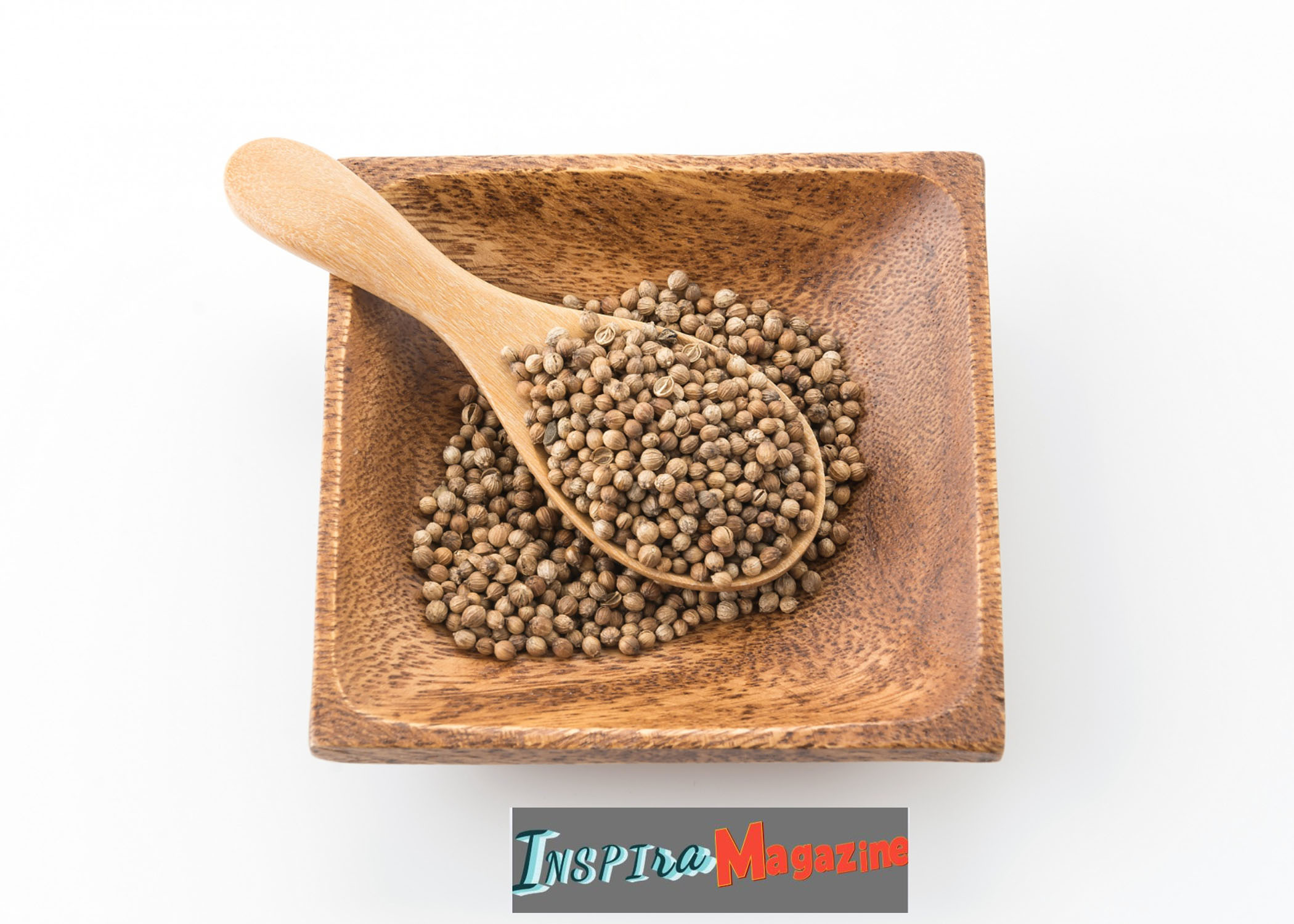
While koriandri leaves are used fresh, koriandri seeds are dried and often ground into coriander powder. These forms are staples in spice blends and slow-cooked recipes.
Koriandri seeds benefits include digestive support and gentle warmth. Roasted koriandri seeds develop a mild, nutty flavor that works well in spice mixes. Ground koriandri powder is widely used in curries, lentils, and vegetable dishes.
Using both fresh koriandri and its seeds allows cooks to build layered flavor naturally.
Health Benefits of Koriandri Backed by Nutrition Science
Koriandri health benefits are supported by long-standing dietary use and modern nutrition research. The herb is low in calories and rich in plant compounds that support overall wellness.
Koriandri for Digestion
Koriandri has traditionally been used to support digestion. Its natural compounds may help stimulate digestive enzymes and ease bloating when used regularly in food.
Koriandri for Immunity
Fresh koriandri contains antioxidants and vitamin C, which support immune function. Including koriandri leaves in daily meals helps maintain nutrient variety.
Koriandri for Skin and Detox Support
Koriandri antioxidants may help the body manage oxidative stress. Many traditional diets include koriandri for skin clarity and internal balance as part of a varied diet.
Koriandri for Weight Balance
Because koriandri adds flavor without fat or sugar, it supports mindful eating. This makes koriandri useful in balanced, calorie-aware meals.
These benefits align with general nutritional consensus on fresh herbs and plant-based diets.
Nutritional Value of Koriandri Leaves
Koriandri leaves nutritional value includes:
-
Vitamin A for vision and skin
-
Vitamin C for immune health
-
Vitamin K for normal blood function
-
Natural plant antioxidants
Fresh koriandri works best when added near the end of cooking to preserve nutrients and aroma.
How to Grow Koriandri at Home
Learning how to grow koriandri is simple, even for beginners. The plant grows quickly and does not require complex care.
Koriandri Plant Care Basics
-
Use well-drained soil
-
Provide partial sunlight
-
Water lightly but regularly
-
Harvest leaves early for best flavor
Koriandri cultivation works well in pots, garden beds, and small spaces. Harvesting often encourages fresh growth.
Koriandri Storage Tips for Freshness
Fresh koriandri storage plays a big role in taste and quality. Poor storage causes wilting and flavor loss.
Best practices:
-
Wash and dry leaves gently
-
Store in an airtight container
-
Keep refrigerated with a paper towel
-
Use within 5–7 days
These steps help keep koriandri fresh and aromatic.
Koriandri in Traditional and Modern Diets
Across cultures, koriandri holds a respected place in daily food. In Indian kitchens, dhania leaves are essential. In global cuisine, coriander vs cilantro reflects naming differences rather than use.
Modern nutrition continues to support the value of fresh herbs like koriandri as part of diverse, plant-forward meals.
Why Experts Recommend Using Fresh Koriandri
Food professionals and nutrition experts often recommend koriandri because it:
-
Enhances flavor naturally
-
Encourages reduced salt use
-
Adds nutrients without calories
-
Fits many dietary patterns
Its versatility makes koriandri a practical choice for both home cooks and professionals.
Final Thoughts on Koriandri
Koriandri is more than a garnish. It is a trusted herb with a long history in cooking and wellness. Its flavor, nutrition, and versatility make it a valuable part of everyday meals. Whether used fresh, as seeds, or as powder, koriandri supports better cooking and balanced eating in a simple, natural way.
Frequently Asked Questions About Koriandri
Is koriandri the same as cilantro?
Yes. Koriandri and cilantro refer to the same herb. Cilantro is commonly used in English, while koriandri or dhania is used in South Asia.
Can koriandri be eaten daily?
Yes. Fresh koriandri is safe for daily use in normal food amounts and supports a balanced diet.
What is the best way to use koriandri leaves?
Koriandri leaves are best used fresh as a garnish, in chutney, or added at the end of cooking.
Are koriandri seeds different from leaves?
Yes. Koriandri seeds have a warm, mild flavor, while leaves are fresh and citrus-like.
Does cooking reduce koriandri benefits?
Light cooking may reduce some nutrients. Adding koriandri near the end helps retain its value.
