
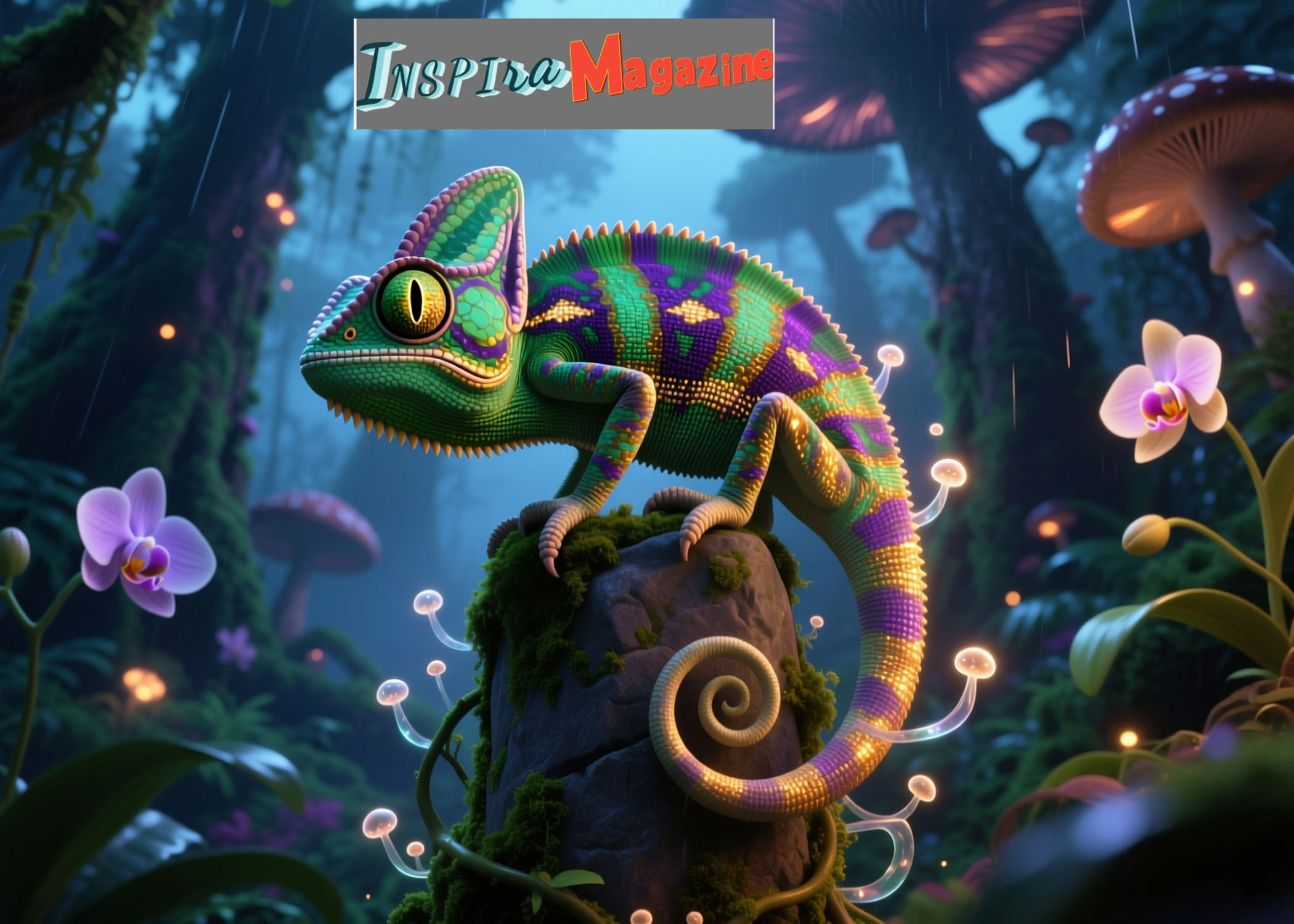


The reptile family chameleónovité (Chameleonidae) has fascinated biologists, conservationists, and reptile keepers for decades. Known for their vibrant shades, precise movements, and remarkable ability to alter appearance, these tree-dwelling reptiles demonstrate some of the most advanced adaptations found among vertebrates. Their behavior, anatomy, and environmental needs are well-studied in scientific literature, giving us a reliable understanding of how they thrive in nature and captivity.
This article is crafted with expert care to help readers appreciate the biology, ecology, care requirements, and conservation challenges of this remarkable family.
Understanding the Chameleónovité Family
The family chameleónovité includes more than 200 recognized species, such as the popular chameleon jemenský (Chamaeleo calyptratus) and chameleon pardálí (Furcifer pardalis). These species differ in color, size, and temperament, yet they share defining traits: mobile eyes, long projectile tongues, zygodactyl feet, and prehensile tails.
Across Africa, Madagascar, and parts of the Middle East, chameleónovité species occupy tropical forests, savannas, and montane regions. Their ability to adjust coloration helps them communicate, regulate temperature, and blend with the environment—an advantage vital in diverse ecosystems.
People Read Also : Lbythj: A Clear Guide to Meaning, Uses, and Real Value
Key Characteristics That Define Chameleónovité
Color Change and Camouflage in Chameleónovité
Contrary to popular belief, the family chameleónovité does not shift color only for camouflage. Research shows that color expression is also linked to mood, stress, temperature, and social interaction. Specialized cells called chromatophores and iridophores enable these rapid transformations, creating a dynamic visual display unique among reptiles.
Behavior and Communication in Chameleónovité
Chameleons are solitary and sensitive to environmental change. Many species exhibit strong territorial instincts, using posture, color, and controlled movement to signal dominance or readiness to mate. Their slow, deliberate motions reduce visibility to predators while enhancing their stealth during insect hunting.
Feeding and Hunting Techniques
A defining trait of chameleónovité is the tongue mechanism, capable of striking prey at incredible speed. Their diet includes insects, small arthropods, and occasionally plant matter. In captivity, proper nutrition includes varied feeders, gut-loaded insects, and essential supplements like calcium and vitamin D3.
Natural Habitat of Chameleónovité
The chameleónovité family thrives in warm, humid environments. Many species are native to Madagascar’s lush forests, while others inhabit drier African landscapes. Climate influences their coloration, physiology, and reproductive cycles.
Geographic Distribution
-
Madagascar chameleoni dominate island ecosystems.
-
African and Middle Eastern species adapt to both forests and semi-arid regions.
-
Altitude-dependent species show unique morphology suited to cooler climates.
Each habitat requires specific conditions, and understanding these ecosystems helps inform ethical and effective captive care.
Chameleónovité Species Popular Among Keepers
Chameleon Jemenský (Veiled Chameleon)
Highly adaptable, visually striking, and known for the casque atop its head.
Chameleon Pardálí (Panther Chameleon)
Celebrated for its extraordinary range of colors, especially males from coastal Madagascar.
Chameleon Obecný (Common Chameleon)
A European species with distinctive patterns and impressive camouflage ability.
These species are favored because research offers clear guidelines on their health, temperature regulation, and environmental needs.
Care Requirements for Chameleónovité in Captivity
Responsible care aligns with scientific evidence on reptile physiology.
Housing and Environment
Chameleons require spacious, well-ventilated enclosures. Vertical setups mimic their arboreal lifestyle. UVB lighting is essential for calcium metabolism, and a temperature gradient supports healthy thermoregulation. Proper humidity, maintained through misting or automated systems, prevents dehydration and shedding problems.
Dietary Needs of Chameleónovité
A varied insect diet ensures optimal nutrition. Keepers should rotate feeders such as crickets, roaches, and worms. Supplementation prevents metabolic disorders, which are common when care is inconsistent.
Health and Stress Awareness
Veterinary experts stress that chameleons are highly sensitive to stress. Quiet environments, minimal handling, and stable temperatures reduce health risks. Regular health checks help identify early signs of dehydration, respiratory issues, or parasite exposure.
Conservation Status of the Chameleónovité Family
Many species within chameleónovité face threats due to habitat loss, deforestation, and illegal wildlife trade. Conservation programs in Madagascar and Africa work to protect vulnerable species through habitat management, research, and sustainable collection regulations.
Public education helps reduce demand for wild-caught specimens, while captive breeding programs support population stability.
Why Chameleónovité Continue to Inspire Experts and Enthusiasts
The intricate biology, precise movements, and color dynamics of chameleónovité make them icons of natural design. Their presence in ecosystems supports insect population control and biodiversity balance. For reptile enthusiasts, they offer a rewarding but delicate experience that deepens appreciation for exotic wildlife.
Their elegance, adaptability, and unique behavior patterns continue to draw the attention of scientists, artists, educators, and hobbyists worldwide.
Conclusion
The family chameleónovité represents one of the most extraordinary branches of reptile evolution. Through careful study, expert handling, and responsible conservation, we continue to learn more about their biology, ecological value, and care needs. Their color, behavior, and adaptability captivate anyone who observes them closely. Whether in the wild or in a thoughtfully prepared enclosure, these reptiles remind us of nature’s remarkable creativity.
Frequently Asked Questions (FAQs)
What species belong to the chameleónovité family?
More than 200 species fall under Chameleonidae, including the veiled, panther, and common chameleons. Each species has distinct traits, colors, and habitat preferences.
How do chameleons change color?
Color change results from specialized skin cells reacting to light, emotion, and environmental cues. It involves structural and pigment-based layers that shift quickly.
Are chameleons easy to care for?
They require precise conditions—temperature control, humidity, UVB lighting, and a varied diet. They are better suited to dedicated keepers willing to maintain consistent care.
Where do most chameleónovité live in the wild?
Their highest diversity is in Madagascar, but they also inhabit Africa, southern Europe, and parts of the Arabian Peninsula.
Are chameleons endangered?
Some species are threatened due to habitat loss and trade. Conservation programs and regulated breeding help protect vulnerable populations.




[…] People Read Also : Chameleónovité: A Fascinating Family of Color-Shifting Reptiles […]