
Solar energy is no longer a niche technology—it’s a core part of the global energy transition. Among the many names shaping this space, hms photovoltaik stands out for its role in improving efficiency, reliability, and monitoring in photovoltaic systems. Whether you’re a homeowner considering solar panels, an installer looking for dependable components, or a business evaluating renewable investments, understanding how HMS fits into the solar ecosystem can help you make better decisions.
This article breaks down what HMS Photovoltaik is, how it works, and why it matters in today’s solar market. We’ll explore real-world use cases, technical advantages, industry trends, and common questions, all in a clear and practical way. By the end, you’ll have a solid grasp of how HMS-based solutions support modern photovoltaic systems and long-term energy performance.
Understanding HMS Photovoltaik and Its Role in Solar Systems
At its core, hms photovoltaik refers to photovoltaic solutions that integrate HMS technologies, particularly communication and monitoring systems designed for industrial and energy applications. HMS Networks is widely known for enabling reliable data communication between devices, and in solar energy, that capability is essential. Photovoltaic systems depend on seamless interaction between panels, inverters, meters, and monitoring platforms.
In a typical solar setup, data flows constantly. Power output, voltage levels, temperature, and fault alerts all need to be tracked in real time. HMS-based photovoltaic components help ensure that this information moves accurately and securely between devices. This not only improves system efficiency but also reduces downtime and maintenance costs over the system’s lifespan.
Another key role of HMS in photovoltaics is standardization. Solar installations often use equipment from multiple manufacturers. HMS communication solutions help bridge compatibility gaps, allowing different components to “speak the same language.” This flexibility is especially valuable in commercial and industrial solar projects, where scalability and integration are critical.
How HMS Photovoltaik Enhances Monitoring and Performance
Monitoring is one of the biggest differentiators between basic and high-performing solar systems. With hms photovoltaik, monitoring goes beyond simple energy production numbers. It provides granular insights that help system owners understand exactly how their installation is performing at any given moment.
Advanced monitoring enabled by HMS technology allows installers and operators to detect issues early. For example, if one string of panels underperforms due to shading or a faulty connector, the system can flag the issue before it significantly impacts overall output. This proactive approach saves time, reduces repair costs, and maximizes energy yield over the long term.
Performance optimization is another major benefit. By analyzing data trends collected through HMS-enabled communication, system owners can adjust configurations, improve load management, and plan upgrades more effectively. Over time, these small optimizations add up to meaningful gains in efficiency and return on investment.
People Read Also : Seekde: A Complete Guide to Understanding Its Meaning, Use, and Importance
Key Components Commonly Used in HMS Photovoltaik Solutions
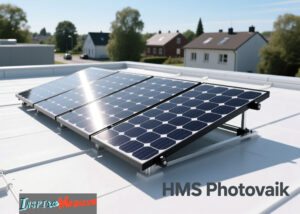
While the term hms photovoltaik covers a broad range of applications, several components are commonly associated with these solutions. Communication gateways are among the most important. These devices connect inverters, meters, and sensors to monitoring platforms, often supporting multiple industrial protocols.
Another essential component is diagnostic software. HMS-compatible software tools allow users to visualize performance data, generate reports, and receive alerts. These tools are especially useful for operators managing multiple solar sites, as they provide a centralized view of system health and performance.
Finally, robust hardware design plays a crucial role. Photovoltaic systems operate in harsh outdoor environments, exposed to heat, cold, moisture, and dust. HMS-related components are typically built to industrial standards, ensuring long-term reliability even under demanding conditions. This durability is a major reason they are trusted in large-scale solar installations.
Benefits of Using HMS Photovoltaik in Residential and Commercial Projects
One of the biggest advantages of hms photovoltaik is versatility. In residential systems, it enables homeowners to monitor their solar production through user-friendly apps and dashboards. This transparency builds confidence and encourages smarter energy usage, such as running appliances when solar output is highest.
In commercial and industrial projects, the benefits scale significantly. Facility managers can track energy performance across multiple buildings, compare sites, and identify inefficiencies. This level of insight supports better energy planning and helps organizations meet sustainability goals more effectively.
There’s also a financial upside. Improved monitoring and reduced downtime mean higher overall energy production. Over the lifetime of a photovoltaic system, this can translate into thousands of dollars in additional savings or revenue. When combined with government incentives and rising electricity prices, the value proposition becomes even stronger.
Comparison Table: Traditional PV Monitoring vs HMS Photovoltaik
| Feature | Traditional PV Monitoring | HMS Photovoltaik |
|---|---|---|
| Data Accuracy | Basic, limited detail | High-resolution, real-time data |
| System Integration | Often brand-specific | Multi-vendor compatibility |
| Fault Detection | Reactive | Proactive and predictive |
| Scalability | Limited | Highly scalable |
| Long-Term Reliability | Moderate | Industrial-grade durability |
This comparison highlights why many installers and system owners are moving toward HMS-based photovoltaic solutions. The difference isn’t just technical—it’s practical and financial.
Industry Trends Driving the Adoption of HMS Photovoltaik
The solar industry is evolving rapidly, and hms photovoltaik aligns well with several major trends. One of the most important is digitalization. As solar systems become smarter, the demand for reliable data communication continues to grow. HMS technologies support this shift by enabling seamless connectivity and data exchange.
Another trend is decentralization. Instead of a few large power plants, energy generation is increasingly distributed across rooftops, factories, and solar farms. Managing this complexity requires advanced monitoring and communication tools, which is where HMS-based solutions shine.
Sustainability reporting is also gaining importance. Businesses and municipalities are under pressure to document energy usage and carbon reductions. HMS-enabled photovoltaic systems make it easier to collect accurate data and generate reports that support compliance and transparency.
“In modern solar installations, data is just as valuable as energy. Reliable communication turns raw production into actionable insight.”
Installation and Integration Considerations
When planning a system that includes hms photovoltaik, installation and integration deserve careful attention. The good news is that many HMS-compatible components are designed with installers in mind. Plug-and-play functionality, clear documentation, and flexible protocol support simplify the setup process.
Integration with existing systems is another strong point. Whether you’re upgrading an older photovoltaic installation or expanding a newer one, HMS solutions can often be added without major redesigns. This reduces project costs and minimizes downtime during upgrades.
That said, proper planning is still essential. Choosing the right communication protocol, ensuring network security, and designing for future scalability all play a role in long-term success. Working with experienced installers who understand HMS technologies can make a significant difference.
Real-World Applications and Use Cases
In real-world scenarios, hms photovoltaik is used across a wide range of applications. In agriculture, solar-powered irrigation systems rely on robust monitoring to ensure consistent operation during critical growing periods. HMS-enabled communication helps farmers detect issues quickly and maintain reliable power.
In manufacturing, factories use photovoltaic systems to offset energy costs and reduce emissions. HMS-based monitoring allows energy managers to align production schedules with solar output, improving efficiency and lowering peak demand charges.
Municipal projects also benefit. From schools to public buildings, cities use HMS-supported photovoltaic systems to track performance, justify investments, and engage the community with transparent energy data. These use cases show how flexible and impactful the technology can be.
Challenges and How HMS Photovoltaik Helps Address Them
No technology is without challenges, and photovoltaic systems are no exception. Common issues include component failures, communication breakdowns, and data overload. Hms photovoltaik helps address these challenges by focusing on reliability and clarity.
For example, robust communication protocols reduce the risk of data loss, even in complex installations. Clear dashboards and alerts help users focus on what matters most, rather than getting lost in raw data. Over time, this leads to better decision-making and more resilient energy systems.
Cybersecurity is another growing concern. As solar systems become more connected, protecting data and system integrity is critical. HMS solutions often include security features designed for industrial environments, helping mitigate risks without sacrificing performance.
Conclusion: Why HMS Photovoltaik Matters for the Future of Solar
As solar energy continues to expand, the importance of smart communication and monitoring cannot be overstated. Hms photovoltaik represents a practical and forward-looking approach to building more efficient, reliable, and transparent photovoltaic systems. By enabling better data flow, easier integration, and proactive maintenance, it supports both small-scale and large-scale solar projects.
For anyone serious about long-term solar performance—whether a homeowner, installer, or business—understanding and leveraging HMS-based solutions can be a game changer. It’s not just about generating clean energy; it’s about managing it intelligently and sustainably for years to come.
Frequently Asked Questions About HMS Photovoltaik
What exactly does hms photovoltaik mean in simple terms?
Hms photovoltaik refers to solar energy systems that use HMS technologies for communication, monitoring, and integration. It focuses on making photovoltaic installations smarter and more reliable through better data exchange.
Is hms photovoltaik only for large commercial solar projects?
No, hms photovoltaik is used in both residential and commercial systems. While it’s especially popular in large installations, homeowners can also benefit from improved monitoring and performance insights.
How does hms photovoltaik improve solar system maintenance?
By providing real-time data and alerts, hms photovoltaik helps detect issues early. This proactive monitoring reduces downtime, lowers repair costs, and extends the life of the system.
Can hms photovoltaik work with equipment from different manufacturers?
Yes, one of the strengths of hms photovoltaik is multi-vendor compatibility. HMS communication solutions are designed to integrate components from different brands smoothly.
Is hms photovoltaik future-proof for evolving solar technology?
Hms photovoltaik is considered future-ready because it supports scalable architectures and modern communication protocols. This makes it easier to upgrade or expand systems as solar technology evolves.